SC254 1104545
Las zapatas de freno de fundición SC254 1104545 son un componente de frenado de alto rendimiento y calidad superior diseñado meticulosamente para v...
See Details



Cuando una pastilla de freno se desgasta, inevitablemente surge la cuestión del costo de reemplazo versus la vida útil. En foros y mostradores de tiendas, la afirmación más común es que las almohadillas cerámicas duran más que las alternativas semimetálicas u orgánicas. La respuesta corta es: sí, en condiciones normales de conducción, las pastillas cerámicas suelen ofrecer una vida útil más larga. Sin embargo, la respuesta completa depende del peso del vehículo, los hábitos de conducción, la temperatura de funcionamiento y la calidad de la formulación del material de fricción, no sólo de la etiqueta estampada en la placa de respaldo.
Para los vehículos de pasajeros utilizados en los desplazamientos diarios y en el tráfico urbano, las almohadillas cerámicas suelen durar entre 50.000 y 70.000 millas, y algunos juegos superan las 100.000 millas con un uso suave. En comparación, las pastillas semimetálicas suelen necesitar ser reemplazadas entre 30.000 y 70.000 millas, mientras que las pastillas orgánicas generalmente se encuentran en el rango de 30.000 a 50.000 millas. Estas cifras son valores de experiencia de la industria más que estándares universales, y cambian drásticamente una vez que se pasa de los automóviles de pasajeros al mundo de los camiones y remolques pesados.
Antes de elegir una toalla sanitaria basándose en las afirmaciones de longevidad, es útil definir qué mide realmente "más duradera". La vida útil de una pastilla de freno no es un número único sino una combinación de tres factores relacionados:
Cuando un fabricante o proveedor afirma que las pastillas de cerámica duran más, generalmente se refiere a una tasa de desgaste más lenta del material de fricción durante la conducción diaria. Esa es una ventaja legítima, pero no significa que las almohadillas cerámicas sean indestructibles o que superen a todas las alternativas en todos los escenarios.
El verdadero determinante de la longevidad es la formulación de material de fricción , no el nombre amplio de la categoría. El término "cerámica" cubre un amplio espectro de recetas, niveles de calidad y características de rendimiento. Dos almohadillas, ambas etiquetadas como cerámicas, pueden tener vidas útiles muy diferentes según la mezcla de fibras, el contenido de resina y los estándares de fabricación detrás de ellas.
Para comparar la vida útil de manera justa, la siguiente tabla resume los intervalos de reemplazo típicos para los tres tipos de almohadillas principales. Estos son valores de experiencia en la industria recopilados de registros de servicio y proveedores de componentes de frenos, no un solo resultado de prueba estandarizado.
| Tipo de material de fricción | Vida útil típica (millas) | Características primarias de desgaste |
|---|---|---|
| Orgánico (orgánico sin asbesto) | 30.000 – 50.000 | Compuesto blando; se desgasta relativamente rápido; suave con los rotores; propenso a desvanecerse con el calor. |
| Semimetálico | 30.000 – 70.000 | Compuesto más duro; mordedura agresiva; mayor desgaste del rotor; Resiste bien el calor y las cargas pesadas. |
| Cerámica | 50.000 – 70.000 | Compuesto equilibrado; poco polvo; funcionamiento silencioso; desgaste prolongado en conducción normal; Menos adecuado para cargas extremas. |
En una prueba de terceros realizada en 2025 informada por Freno Brake, las pastillas de cerámica superaron los 100.000 kilómetros (aproximadamente 62.000 millas), superando a las pastillas semimetálicas en más del 50 por ciento en longevidad y brindando una vida útil aproximadamente un 23 por ciento más larga en el tráfico urbano con paradas y arranques. Estos resultados son útiles como punto de referencia, pero provienen del entorno de prueba de un único distribuidor. Otras fuentes informan de diferencias más pequeñas. La conclusión es que las almohadillas cerámicas tienden a durar más en condiciones normales, pero el margen varía según los productos específicos que se comparan.
Las almohadillas cerámicas están formuladas con fibras cerámicas mezcladas con fibras de cobre y agentes aglutinantes. Esta estructura compuesta le da a la pastilla un alto nivel de dureza mientras permanece relativamente suave contra la superficie del rotor. La ventaja en la conducción normal es doble.
En primer lugar, las partículas cerámicas duras resisten mejor la abrasión que los compuestos orgánicos más blandos, por lo que la superficie de la pastilla se desgasta menos rápidamente en cada frenada. En segundo lugar, las almohadillas cerámicas transfieren el calor de manera más uniforme y mantienen un coeficiente de fricción estable en un amplio rango de temperaturas, lo que reduce la tensión en cualquier área de la almohadilla. Esta estabilidad reduce el desgaste desigual y el acristalamiento, que son dos razones comunes por las que las pastillas se reemplazan antes de alcanzar su límite total de material.
En comparación con las pastillas semimetálicas, que utilizan fibras de acero y a menudo muerden con más fuerza el rotor, las pastillas cerámicas producen menos agresividad por fricción. Ese compromiso más suave se traduce en un menor desgaste de las pastillas en frenadas ligeras a moderadas, que es el patrón dominante en el tráfico diario.
La ventaja cerámica se debilita cuando el sistema de frenos se lleva más allá de los límites normales de los turismos. En condiciones de remolque pesado, conducción agresiva o operación sostenida a alta temperatura, las almohadillas cerámicas pierden su ventaja sobre las alternativas semimetálicas. Varios proveedores importantes de componentes de frenos, incluido Advics, recomiendan explícitamente no utilizar pastillas de cerámica para aplicaciones de servicio severo, como remolque frecuente de remolque o uso comercial cargado.
La razón es la disipación de calor. Las pastillas semimetálicas contienen fibras metálicas que conducen el calor fuera del rotor de manera más eficiente. En escenarios de carga alta, esta gestión del calor ayuda a mantener una fricción constante y reduce la degradación térmica. Las pastillas de cerámica, con su menor conductividad térmica, pueden retener más calor en la superficie de fricción, lo que provoca un desgaste más rápido o un desgaste de los frenos en condiciones extremas. En estas situaciones exigentes, la ventaja de la vida útil de las almohadillas cerámicas no sólo se reduce, sino que se puede revertir, con almohadillas semimetálicas que duran más que ellas.
Si dos almohadillas cerámicas de diferentes fabricantes muestran una vida útil dramáticamente diferente, la razón no es el material cerámico en sí, sino la calidad de la formulación. El grado del material de fricción, la proporción de fibra cerámica y polvo metálico, el tipo de resina aglutinante y el proceso de curado influyen en el desgaste de una pastilla.
Los grados de los materiales de fricción están estandarizados según sistemas como el FMVSS 121 o la clasificación de códigos de letras SAE J866 utilizados en América del Norte. Un grado comercial común es 23K FF , donde "FF" denota un rango específico de coeficiente de fricción. Las pastillas con el mismo código de letras aún pueden diferir sustancialmente en resistencia al desgaste y tolerancia al calor según la receta exacta. Para comprender cómo estos grados convierten la energía cinética en frenado controlado, es útil observar Grados de fricción de las pastillas de freno como 23K FF con más detalle técnico.
Lo que esto significa para un comprador es simple: comparar la esperanza de vida basándose únicamente en la palabra "cerámica" no es suficiente. La formulación y la calidad de fabricación detrás de la almohadilla son predictores más sólidos de su duración. Una almohadilla semimetálica de primera calidad con una fórmula sofisticada sin cobre puede durar más que una almohadilla cerámica económica en el mismo vehículo. El nombre del material es el punto de partida, no la respuesta final.
Hasta ahora, el debate se ha centrado en los turismos, donde las pastillas cerámicas son la opción de actualización más común. Pero para los gestores de flotas, propietarios de camiones y talleres de reparación de vehículos comerciales, el cálculo cambia por completo. Los camiones y remolques de servicio pesado no suelen utilizar pastillas de freno de disco de cerámica. En cambio, dependen de sistemas de frenos de tambor con material de fricción adherido o remachado a las zapatas de freno, y la selección del material sigue una lógica diferente.
En los vehículos comerciales, la vida útil de las pastillas de freno depende principalmente del peso de la carga, el terreno de la ruta, la frecuencia de frenado y el grado del material de fricción, no de si el material es cerámico o semimetálico. Un camión que transporta 40.000 libras por pasos de montaña se desgastará mucho más rápido que el mismo camión que recorre rutas regionales planas, independientemente del material elegido. Tanto las directrices de la Administración Federal de Seguridad de Autotransportes como las prácticas de la industria hacen hincapié en hacer coincidir el material de fricción con la carga específica del eje y el entorno operativo en lugar de buscar una etiqueta genérica de "mayor duración".
Las pastillas de freno comerciales se clasifican en términos generales en configuraciones de estilo americano y europeo, que difieren en dimensiones, patrones de remaches y características de fricción adaptadas a las diferentes condiciones regionales de las carreteras y expectativas regulatorias. La selección de un estilo sobre otro es una cuestión de compatibilidad y ajuste operativo, no una simple clasificación de durabilidad. Para una visión más profunda de los factores detrás del desgaste de estos componentes, este artículo sobre ¿Qué determina la durabilidad en los componentes de frenos de servicio pesado? explica la interacción del material, la calidad de la fundición y el estrés operativo.
Otra distinción crítica en el mundo de servicio pesado es la relación entre el revestimiento y su componente de respaldo. Un forro de alta calidad montado sobre una zapata de freno de mala calidad o combinado con kits de herrajes desgastados tendrá un rendimiento inferior y se desgastará de manera desigual. En aplicaciones comerciales, el revestimiento, la zapata y los herrajes forman un sistema, y el componente más débil del sistema determina la vida útil práctica de todo el conjunto. Es por eso que los profesionales de mantenimiento de camiones se centran en la calidad de los componentes combinados en lugar de en una sola afirmación sobre el material de fricción.
Para los operadores y técnicos que seleccionan material de fricción para uso en flotas, la prioridad debe ser el grado de fricción verificado, la precisión dimensional del revestimiento y los estándares de prueba documentados del fabricante. Un revestimiento comercial que se adapte correctamente a la carga del vehículo y al perfil de ruta brindará una vida útil predecible y segura.
Ya sea que conduzca un sedán o administre una flota, reconocer los signos de pastillas de freno desgastadas evita problemas de seguridad y daños innecesarios a los componentes. Tres señales prácticas cubren la mayoría de las situaciones:
En los vehículos comerciales con frenos de tambor la inspección es similar pero los componentes difieren. Verificar el espesor del revestimiento a través del orificio de acceso en la placa de respaldo, buscar patrones de desgaste desiguales y verificar que las zapatas y los herrajes del freno estén en condiciones adecuadas son parte del mantenimiento de rutina. Reemplazar forros desgastados sin inspeccionar las zapatas de freno y los kits de hardware provoca fallas prematuras de los nuevos componentes.
Para la mayoría de los propietarios de vehículos de pasajeros que conducen en entornos urbanos o suburbanos, las pastillas de freno cerámicas son una inversión razonable. Por lo general, en estas condiciones duran más que las pastillas semimetálicas u orgánicas, producen menos polvo de freno y funcionan más silenciosamente. El mayor coste inicial a menudo se ve compensado por el mayor intervalo de sustitución y el menor desgaste del disco de freno.
Sin embargo, las almohadillas cerámicas no son la opción correcta para vehículos utilizados principalmente para remolque pesado, conducción frecuente en pistas u operaciones comerciales de carga extrema. En esos contextos, las almohadillas semimetálicas o los revestimientos comerciales especializados están diseñados para soportar el calor y el estrés. La elección de cerámica para esas aplicaciones sacrifica tanto la vida útil como el rendimiento de frenado.
La lección más amplia se aplica tanto a los turismos como a los camiones comerciales: la formulación del material de fricción importa más que el nombre comercial. Una almohadilla bien diseñada de un fabricante acreditado superará a un producto genérico con la misma etiqueta de material. Para flotas y operadores de camiones, la selección correcta del grado del material de fricción, la combinación adecuada de componentes y los protocolos de inspección regulares determinan la vida útil real.
Si gestiona una flota comercial o maneja vehículos pesados, el marco de decisión es diferente al de un propietario de un vehículo de pasajeros. Explora la gama de Forros de freno de servicio pesado para camiones y remolques. para ver cómo se combinan en la práctica el material de fricción, el estilo del revestimiento y la aplicación.
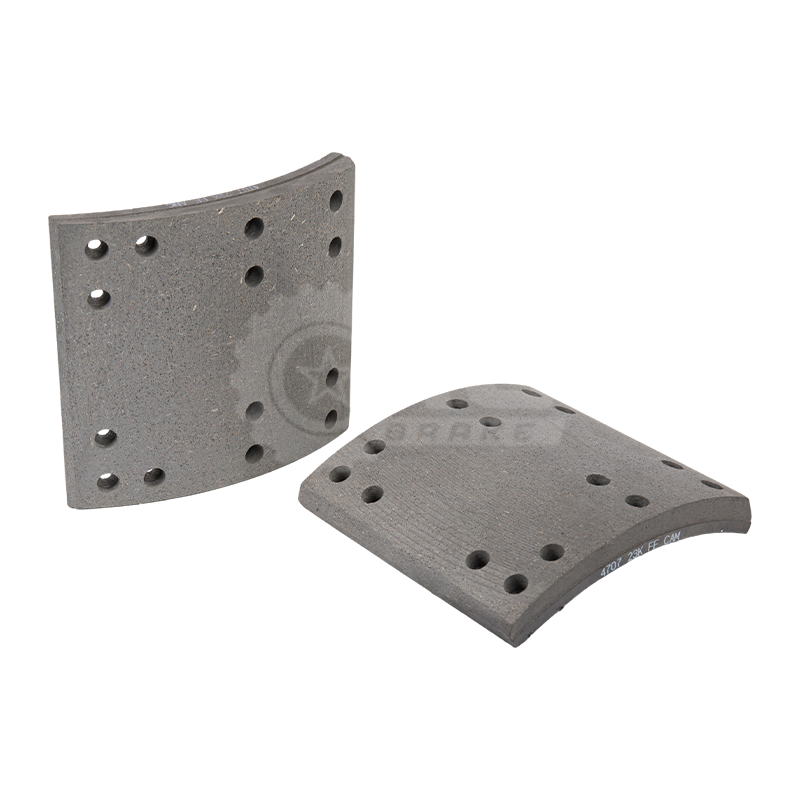 Fabricantes De Forros De Freno,Fábrica De Forros De Freno De Grado 23K FF Como fabricantes de forros de freno de China y fábrica de forros de freno personalizados de grado FF 23K, Zhejiang Courage Auto Parts Co., Ltd. ofrece frenos OEM... Ver producto →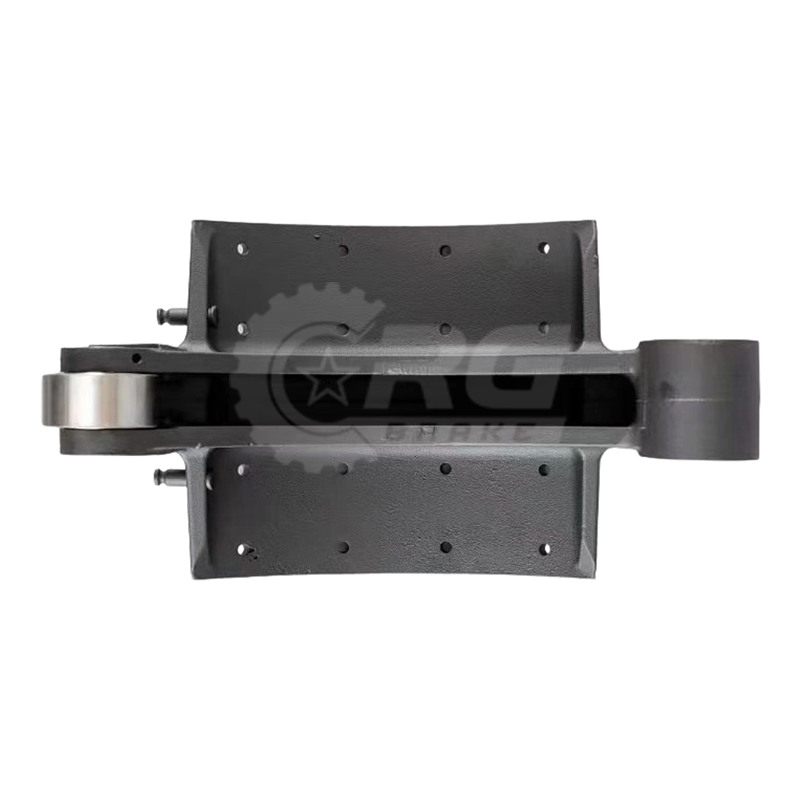
Las zapatas de freno de fundición SC254 1104545 son un componente de frenado de alto rendimiento y calidad superior diseñado meticulosamente para v...
See Details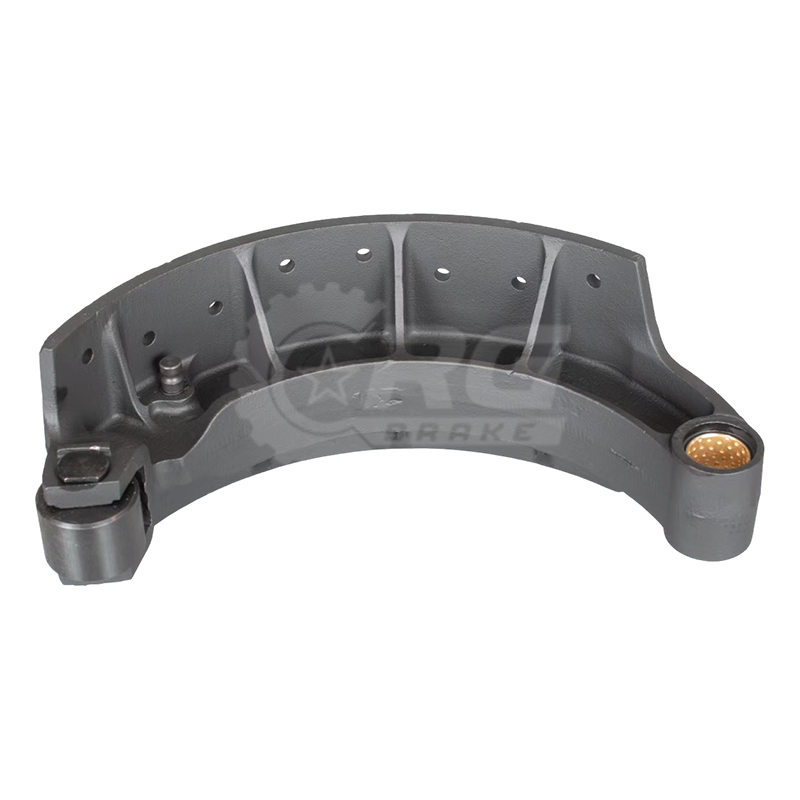
Las zapatas de freno fundidas BENZ180 659 420 0619, con dimensiones precisas de 410 × 180 mm, están meticulosamente diseñadas para satisfacer las r...
See Details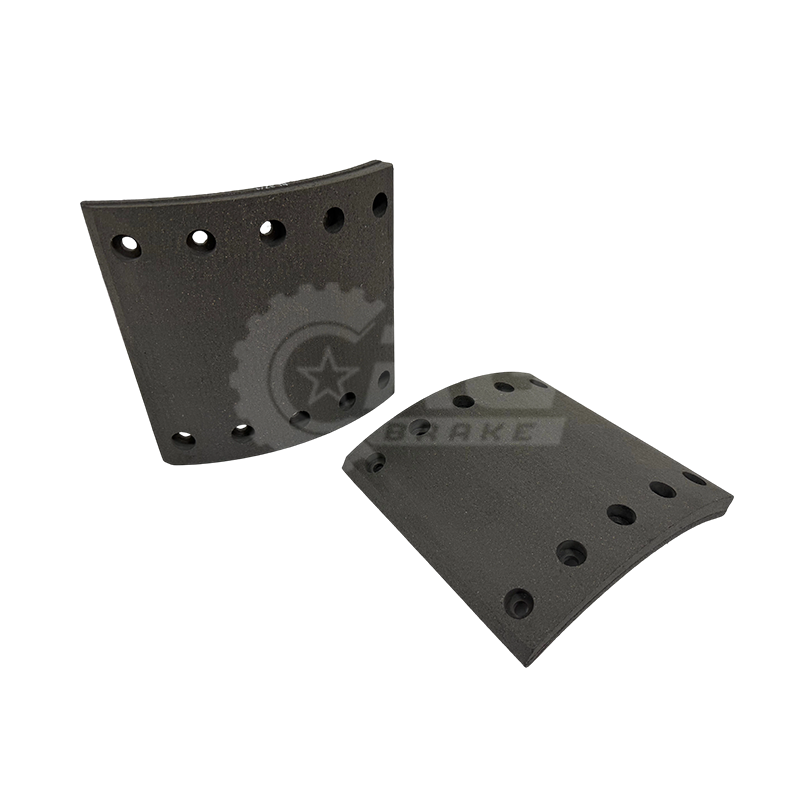
Esta pastilla de freno europea 19032, con dimensiones de 420 mm de largo y 180 mm de ancho, es un componente de fricción premium de alto rendimient...
See Details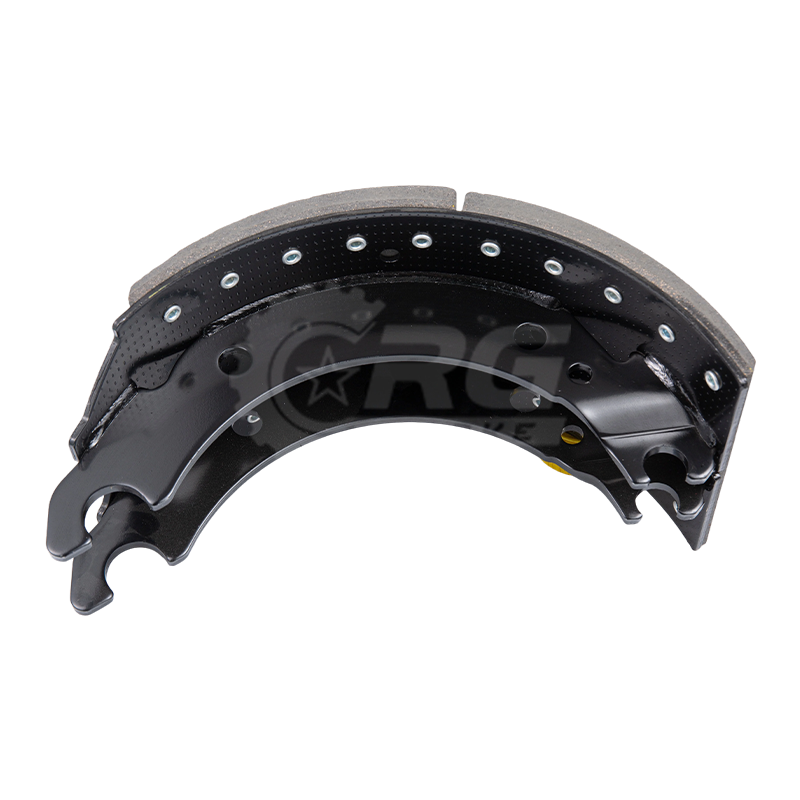
BPW200 05.091.27.83.0 Las zapatas de freno revestidas son un componente de frenado premium de alto rendimiento diseñado meticulosamente para su uso...
See Details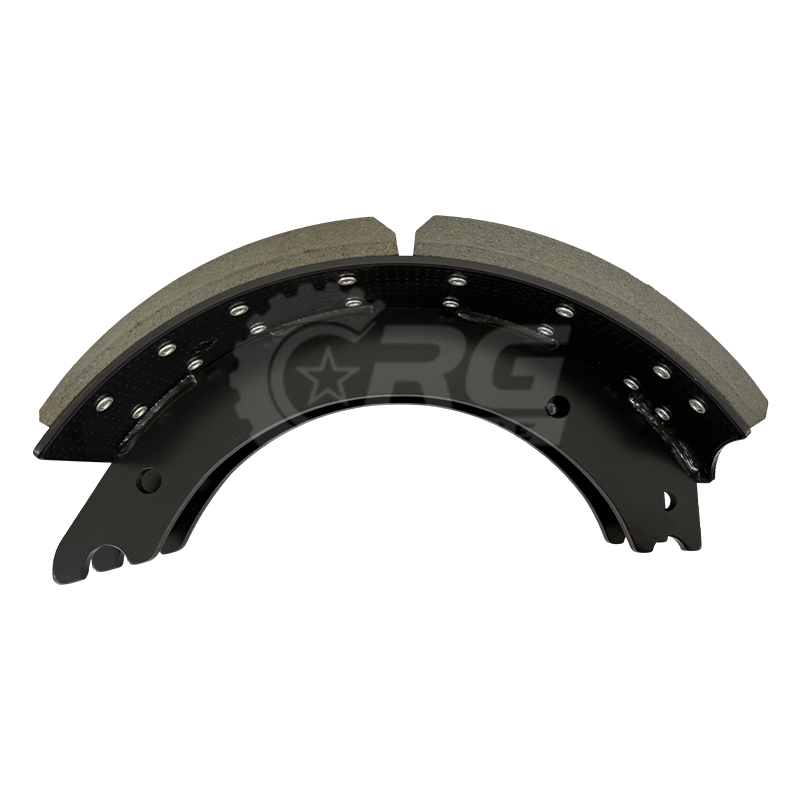
Las zapatas de freno revestidas 4718Q A3222 J2272 están meticulosamente diseñadas para ofrecer una durabilidad excepcional y un rendimiento superio...
See Details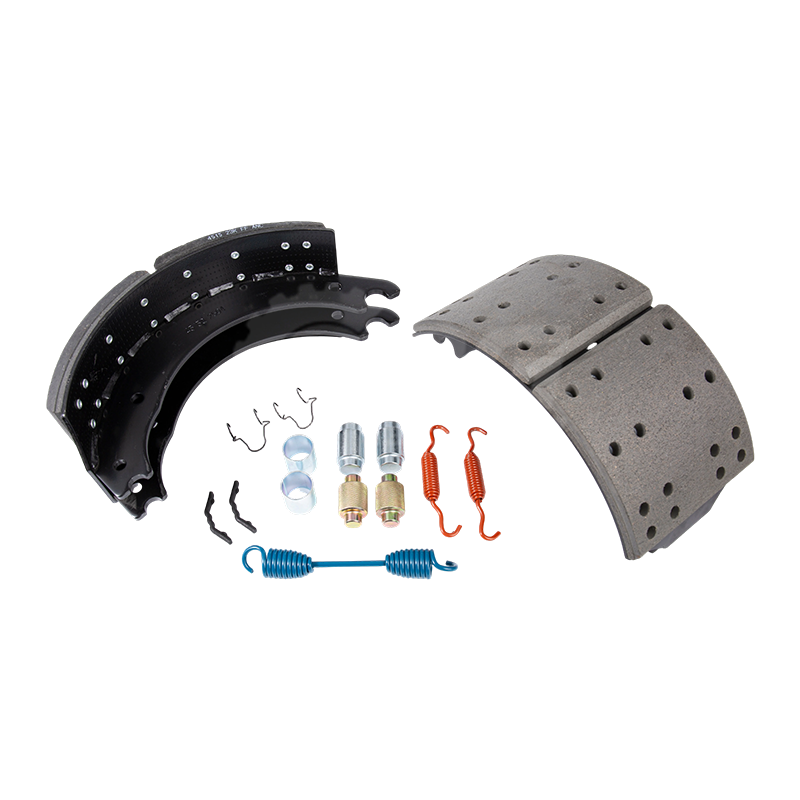
Las zapatas de freno forradas con kits de hardware 4515Q A91 3222 S1293 están diseñadas por expertos para ofrecer un rendimiento de frenado y una d...
See Details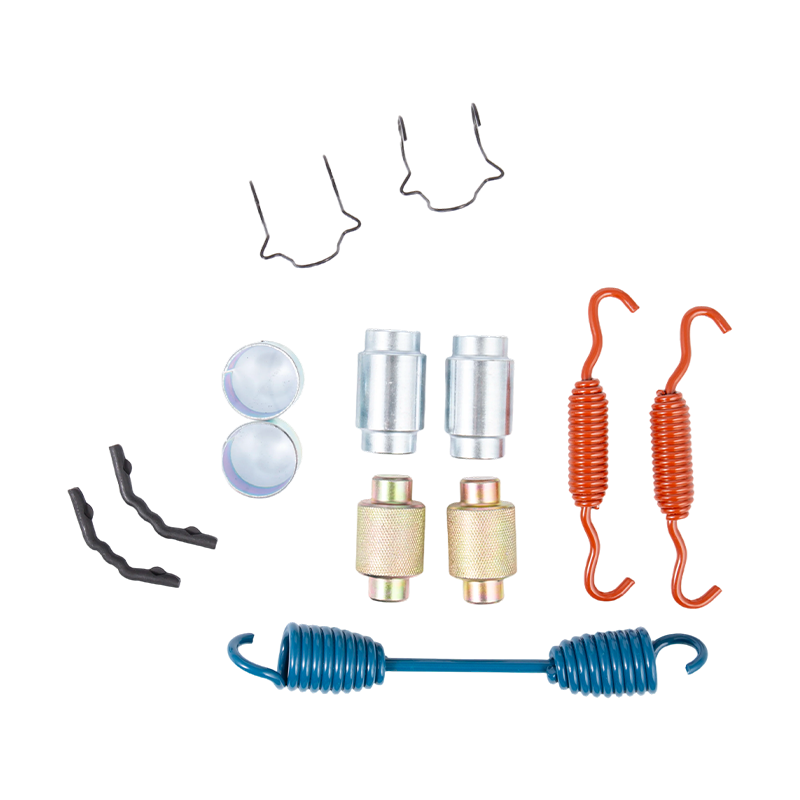
Los kits de hardware 4515Q/4707Q E-2769SHD están meticulosamente diseñados específicamente para su uso con los modelos de vehículos 4515Q y 4707Q, ...
See Details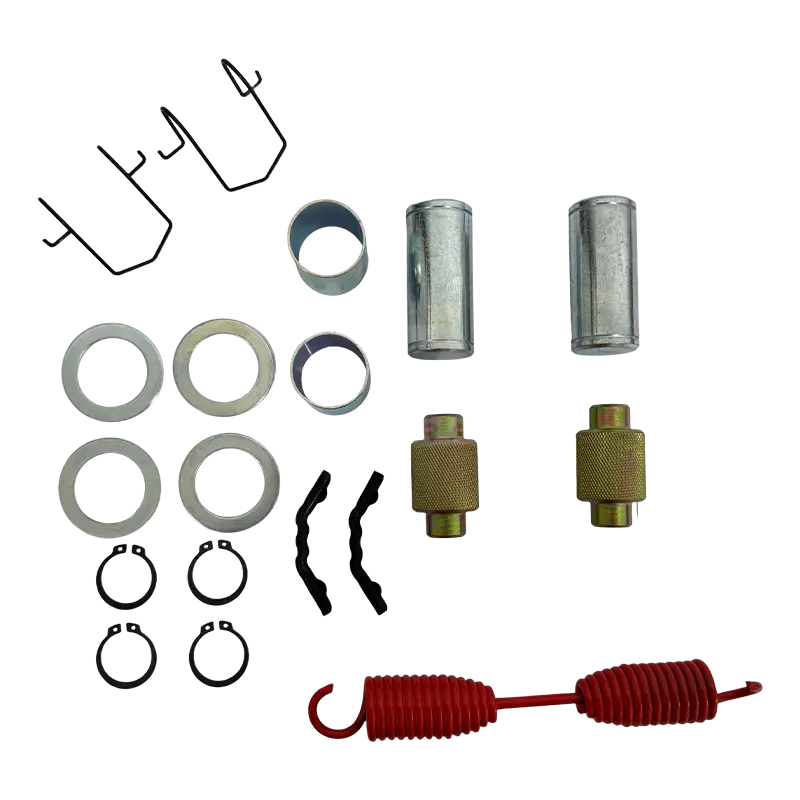
Los kits de hardware 4515E E-1816SHD, identificados por el número OEM E-1816SHD, son un kit de hardware de primera calidad diseñado meticulosamente...
See Details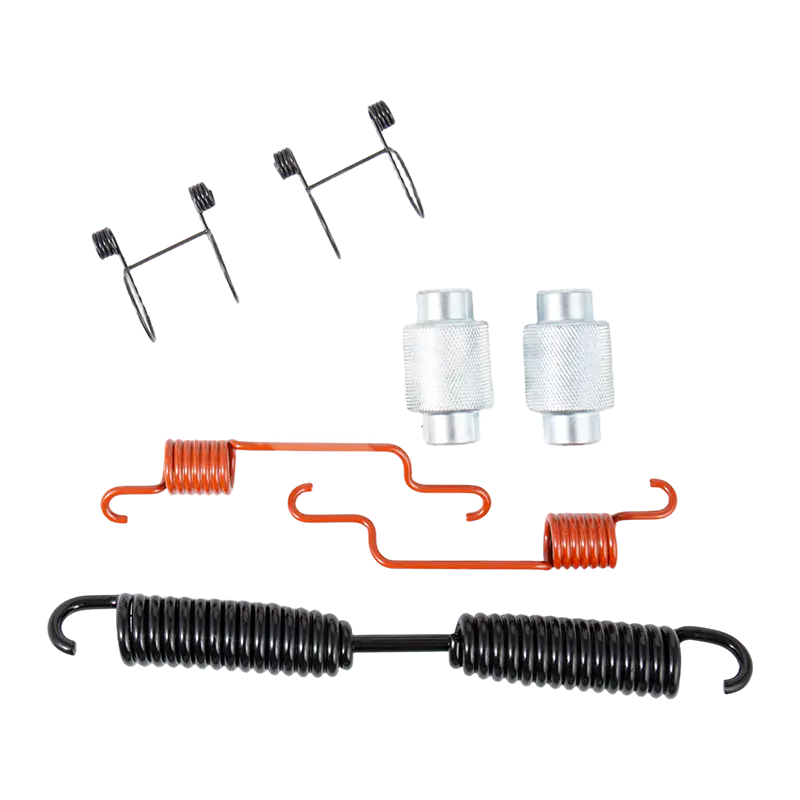
Este kit de hardware, modelo E-10244S con número de pieza 4709ES2, es un kit de reparación de frenos de primera calidad diseñado meticulosamente pa...
See Details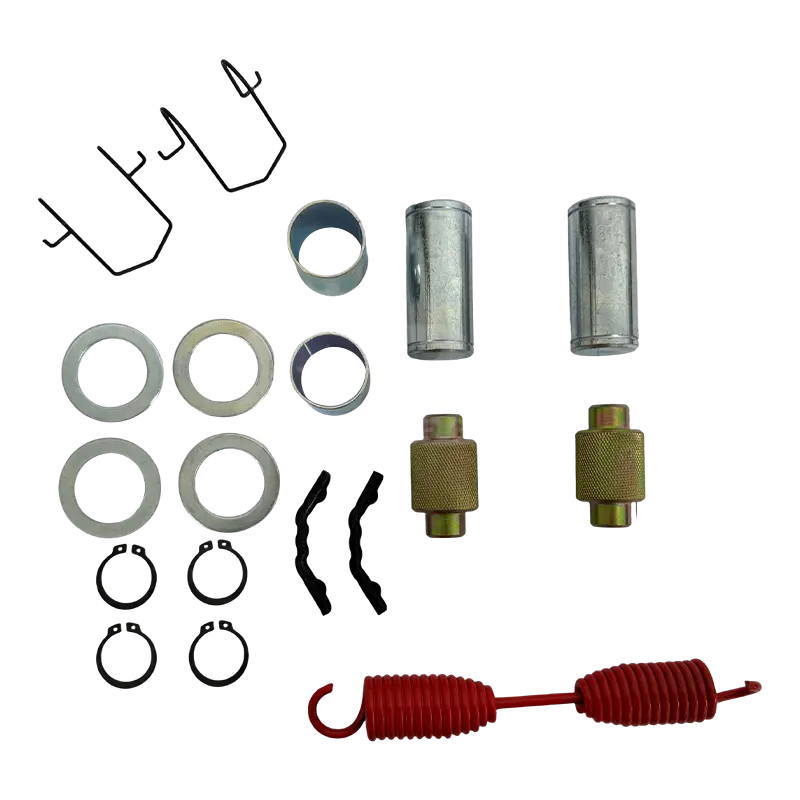
El NUEVO kit de reparación de frenos BPW representa una solución de hardware de última generación diseñada con precisión y diseñada específicamente...
See DetailsObtenga una cotización gratuita (personalizada)

derek@crgbrake.com
vicky@crgbrake.com

 NUESTRO Producto
¿Qué hay de nuevo?
Copyright© Zhejiang Courage Auto Parts Co., Ltd. All Rights
Reservado
 Fabricantes de piezas de freno CRG para vehículos comerciales